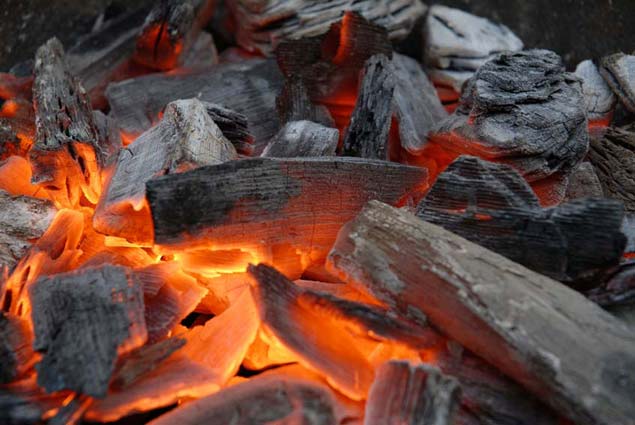
Here’s why you should almost always avoid cheap lump charcoal (especially the super-low-price stuff from big-box stores or generic brands):
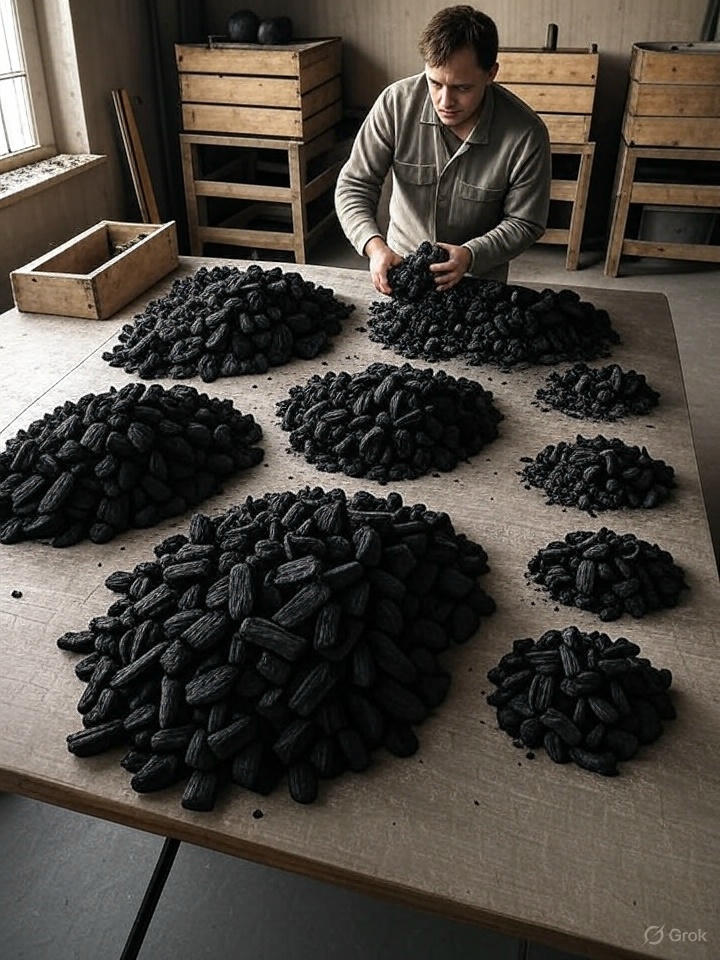
- Inconsistent Burn & Temperature Spikes Cheap lump is often made from scrap wood, flooring offcuts, construction debris, or whatever was cheapest that week. You’ll get wildly different piece sizes and wood types in the same bag. One load might burn hot and fast, the next barely lights. It makes temperature control a nightmare.
- Tons of Small Pieces, Dust, and Fines Open a $6–8 bag and half of it is fingernail-sized chunks and powder. You end up wasting 20–40% of the bag right away, and the dust can choke airflow or flare up like gunpowder when it ignites.
- Excessive Sparking & Popping Low-end manufacturers don’t screen out bark, sap-heavy softwoods, or plywood scraps. Those pieces explode and throw sparks everywhere—dangerous if you’re cooking around kids, on a wooden deck, or in dry conditions.
- Chemical Taste / Off Flavors Some ultra-cheap charcoal (especially imported bags) comes from tropical hardwoods treated with chemicals, or it’s kiln-dried with accelerants that weren’t fully burned off. People regularly report a petroleum or plastic taste on food cooked over the really cheap stuff.
- Short Burn Time Because it’s full of softwoods and odd scraps, it burns up 30–50% faster than good hardwood lump. You’ll use way more charcoal per cook, so that “bargain” bag ends up costing you more in the long run.
- High Ash Production Cheap lump leaves behind a snowstorm of ash that clogs vents and gets blown onto your food the second you open the lid.
What’s actually worth buying instead?
- BBQdaddycharcoal of course. Settle for only the best.
Rule of thumb: If the bag is under ~$12–15 for 20 lb (or equivalent) in your area, it’s almost certainly junk. Spend a few extra bucks—you’ll save money and headaches in the long run.